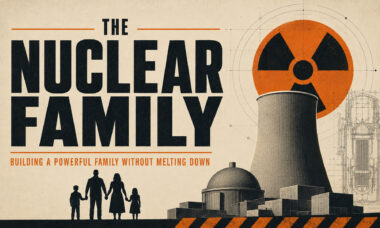
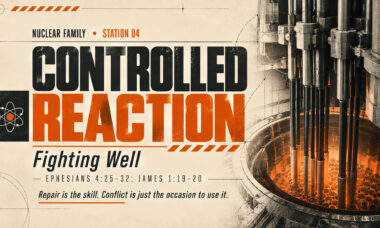
Chornobyl didn’t fail in one bad moment. The control rods had been pulled out hours before anyone needed them. This sermon outline, part of the Nuclear Family series, uses the 1986 reactor disaster to show why conflict in marriage isn’t the failure; losing control of it is. Drawing on Ephesians 4:26–32 and James 1:19–20, it explores how to be angry without sinning, why unresolved anger gives the devil a foothold, and how repair matters more than winning the argument.
View SermonNuclear Family
Half Life
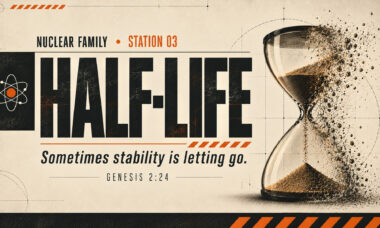
Most marriages that end don’t blow up. They quietly corrode. This sermon outline, part of the Nuclear Family series, starts with what God joined in Genesis 2:24 (leave, hold fast, one flesh), traces the first marital fault line to Adam’s blame in Genesis 3, and names four habits research links to divorce: criticism, contempt, defensiveness, and shutting down. It closes with Ephesians 4:31–32 and the practice of repair, modeled by the God who asked, “Where are you?”
View SermonBinding Energy
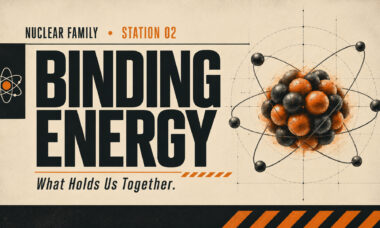
A helium nucleus weighs less than the parts that make it, because something was given up to hold it together. This sermon outline, part of the Nuclear Family series, walks through Ephesians 5:18–33, showing how a Spirit-filled home sounds like joy, says thank you, and submits out of reverence for Christ. It reframes headship as sacrifice and calls couples to identify with, nourish, and cherish one another just as Christ does the church.
View SermonTHE CORE
Every contract has a termination clause. A covenant doesn’t. This sermon outline, the opening message of the Nuclear Family series, explores why God-shaped relationships run on covenant rather than terms, drawing on Genesis 2:24, Malachi 2:14, Ruth 1:14, and Hosea 3. It traces the Hebrew word dabaq (“cling”), shows God as the forgotten witness at every wedding, and closes with practical steps for couples who want to stay in the room.
View Sermon